ASV Track Loader Parts: Complete Guide to Selection and Replacement
Tracked loaders are built to handle demanding work across construction, landscaping, forestry, agriculture and land clearing. Their performance depends heavily on a properly maintained undercarriage and correctly selected replacement components. Choosing suitable parts can help maintain traction, improve machine stability and reduce unexpected downtime.
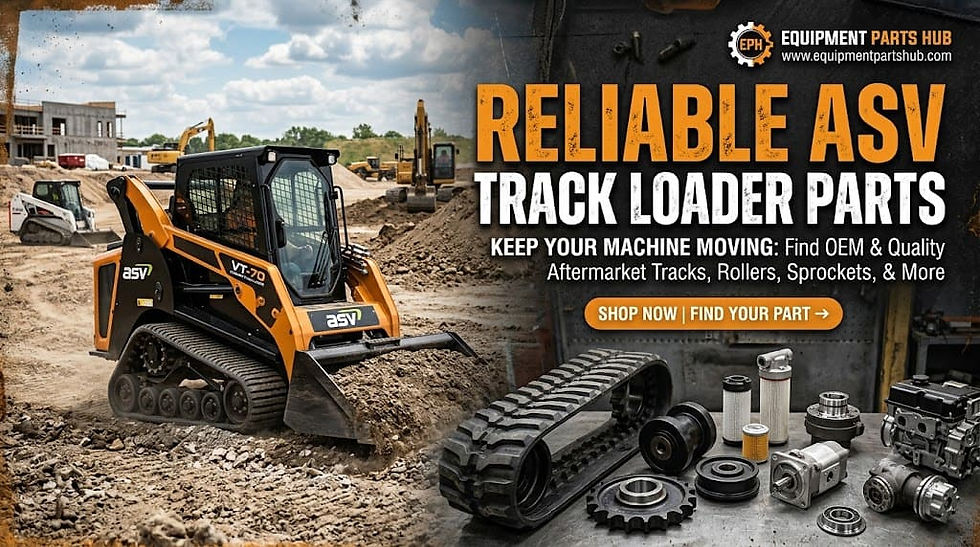
This guide explains how to select and replace ASV track loader parts, identify common wear components and make informed purchasing decisions.
Understanding Track Loader Parts
A track loader relies on several components working together to support the machine and transfer power to the tracks. The undercarriage normally includes rubber tracks, rollers, idlers and sprockets. Each component has a specific role and can affect the performance of the others. Rubber tracks provide ground contact and traction. Rollers support the machine and guide the track as it moves. Idlers help maintain track alignment and tension, while sprockets transfer drive power through the track system. Understanding these components makes it easier to recognise wear and determine when replacement is necessary. It also helps operators avoid replacing one component without checking related parts.
Why Correct Part Selection Matters
Choosing the correct replacement part is essential for reliable equipment operation. Components may look similar but have different dimensions, mounting arrangements or specifications. Incorrect fitment can lead to uneven wear, poor track movement and additional stress on the undercarriage. It can also increase maintenance costs if a newly fitted component wears prematurely. When searching for asv track loader parts, begin by identifying the exact machine model and available serial information. Checking the existing component and comparing its dimensions with the replacement specification can provide additional confidence before ordering.
Common Track Loader Replacement Parts
Rubber tracks are among the most frequently replaced components on compact tracked loaders. They experience constant contact with the ground and are exposed to stones, mud, abrasive soil and other materials. Track rollers are also important wear components. They support the machine's weight and allow the track to move smoothly. Damaged seals, leakage or unusual movement can indicate roller wear. Idlers guide the track and help maintain its position. Sprockets engage with the track drive system and transfer power from the final drive. If these components become excessively worn, they can affect track performance and contribute to premature wear elsewhere.
Choosing the Right Rubber Tracks
Rubber track selection requires accurate measurements. Important dimensions can include track width, pitch and link count. These specifications need to match the machine's undercarriage. Tread design should also be considered. Equipment working mainly on firm surfaces may have different track requirements from equipment operating regularly in mud, loose soil or rocky conditions. Track construction is another important factor. Internal reinforcement and rubber compound quality influence durability and performance. Rather than choosing a replacement based only on price, consider the intended application and expected service life.
Signs Your Tracks Need Replacement
Rubber tracks gradually wear during normal operation. Regular inspection helps identify when replacement may be necessary. Visible cracking, cuts, damaged tread blocks and exposed internal reinforcement are common warning signs. Excessive tread wear can also reduce traction and affect machine performance. Changes in machine behaviour can provide additional clues. Unusual vibration, track movement or repeated derailment may indicate a track problem or an issue with another undercarriage component. Replacing tracks before severe damage occurs can help reduce the risk of additional undercarriage problems.
How to Check Track Rollers and Idlers
New rubber tracks cannot perform properly if supporting components are severely worn. For this reason, rollers and idlers should be inspected before installing replacement tracks. Look for leakage, damaged seals, excessive play and unusual movement. Rollers should rotate correctly without significant resistance or abnormal noise. Idlers should also be checked for alignment and condition. If an idler is damaged or heavily worn, fitting a new track without addressing the issue may result in uneven wear. A complete inspection provides a better understanding of the condition of the entire undercarriage.
Understanding Track Tension
Correct track tension is essential for safe and efficient operation. Tracks with excessive tension can place additional stress on rollers, idlers and drive components. Tracks with insufficient tension may move excessively or increase the risk of derailment. Track tension should be checked using the procedure recommended for the equipment. Measurements should be taken under the correct conditions to ensure an accurate result. Operators should avoid making adjustments based only on appearance. Following the correct maintenance procedure can help protect the track and related components.
Factors Affecting Track Life
Working conditions have a major influence on rubber track service life. Rocky terrain, sharp debris and abrasive surfaces can cause cuts and accelerate tread wear. Operating technique also affects durability. Excessive track spinning generates heat and friction. Frequent aggressive turning can place additional stress on the track and undercarriage. Machine loading and operating hours are also important. Heavier loads and extended use can increase component stress. Regular cleaning and correct maintenance can help reduce unnecessary wear. Understanding these factors allows operators to make better decisions about track selection and replacement timing.
Buying Track Loader Parts Online
Online purchasing provides convenient access to replacement components, but buyers should carefully check product information before placing an order. Start with the exact machine model and serial information where available. Compare track measurements and component specifications with the supplier's fitment details. For rubber tracks, check width, pitch, link count and tread configuration. For rollers, idlers and sprockets, review dimensions and mounting information. A reliable supplier should provide clear product descriptions and support customers who need help confirming compatibility. Warranty information and expected availability are also useful considerations.
Choosing a Reliable Parts Supplier
The quality of the supplier can be just as important as the quality of the component. A specialist supplier should understand tracked equipment and provide useful fitment information. Vine and Branch Equipment supplies replacement components for tracked equipment, including rubber tracks and undercarriage parts for a range of applications. When comparing suppliers, consider product specifications, fitment support, warranty coverage and customer service. Clear information makes it easier to select the correct replacement and reduces the risk of unnecessary downtime. A supplier with experience in tracked equipment can also help identify related undercarriage issues before they become more expensive problems.
Maintaining Replacement Parts
Proper maintenance begins immediately after installation. New tracks and undercarriage components should be inspected regularly during their service life. Keep the undercarriage clean, especially after working in muddy or abrasive conditions. Remove stones and accumulated debris around rollers, idlers and sprockets. Monitor track tension and check for unusual wear. If a new track begins to wear unevenly, investigate the cause rather than assuming the track itself is defective. Good operating habits can also improve component life. Avoid unnecessary spinning and aggressive turning, particularly on hard surfaces.
When Should Track Loader Parts Be Replaced?
There is no universal replacement schedule for every tracked loader. Component life depends on operating hours, ground conditions, machine weight, maintenance and operating technique. Visual inspection is one of the most useful ways to monitor wear. Excessive track wear, damaged rollers, worn idlers or altered sprocket profiles may indicate a need for replacement. Replacing components at the right time can prevent further damage. In some cases, several undercarriage components may have reached a similar level of wear, so inspecting the complete system is recommended before deciding on repairs.
Conclusion
Selecting the right track loader parts requires careful attention to machine identification, component specifications, operating conditions and undercarriage wear. Rubber tracks, rollers, idlers and sprockets all work together, so the condition of the complete system should be considered before replacing individual components. Regular inspections and proper maintenance can help extend component life and reduce unexpected downtime. Correct track tension, undercarriage cleaning and sensible operating practices are also important for long term performance. Whether you are replacing worn rubber tracks or carrying out a wider undercarriage repair, accurate fitment information should always guide the buying decision. Taking time to choose suitable components can help keep tracked equipment productive, stable and ready for demanding work.
Frequently Asked Questions
What are the main ASV track loader parts?
Common replacement components include rubber tracks, track rollers, idlers and sprockets. Other parts may be required depending on the specific machine and undercarriage configuration.
How do I choose the correct rubber tracks?
Identify the exact equipment model and check the required track dimensions. Width, pitch and link count are important measurements. Compare these details with the supplier's fitment information before ordering.
How often should track loader parts be inspected?
Regular inspections are recommended, especially when equipment operates in rocky, muddy or abrasive conditions. Frequent checks can help identify wear before it results in unexpected downtime.
Can worn rollers damage new rubber tracks?
Yes. Severely worn rollers can affect track movement and create uneven wear. The rollers and other undercarriage components should be inspected before installing new tracks.
How can I extend rubber track life?
Correct track tension, regular cleaning and sensible operating practices can help extend track life. Avoid excessive spinning and aggressive turning where possible.
What information do I need when buying replacement parts?
The equipment model and serial information are useful starting points. Track measurements and details of the existing component can also help confirm compatibility.
Are replacement track loader parts available online?
Yes. Many tracked equipment components can be purchased online. Always check product specifications, fitment information and warranty details before placing an order.


Comments